 Jenny Allyeen
 Fashion is more than simply choosing clothes to wear. It is a form of self-expression that allows people to communicate their personality, lifestyle, creativity, and preferences. With countless clothing trends and aesthetics available today, understanding different fashion styles can help you discover what suits you best.
Some people love classic and timeless clothing, while others prefer modern streetwear, vintage outfits, minimalist looks, or bold and experimental fashion. There is no single definition of great style because personal fashion is different for everyone.
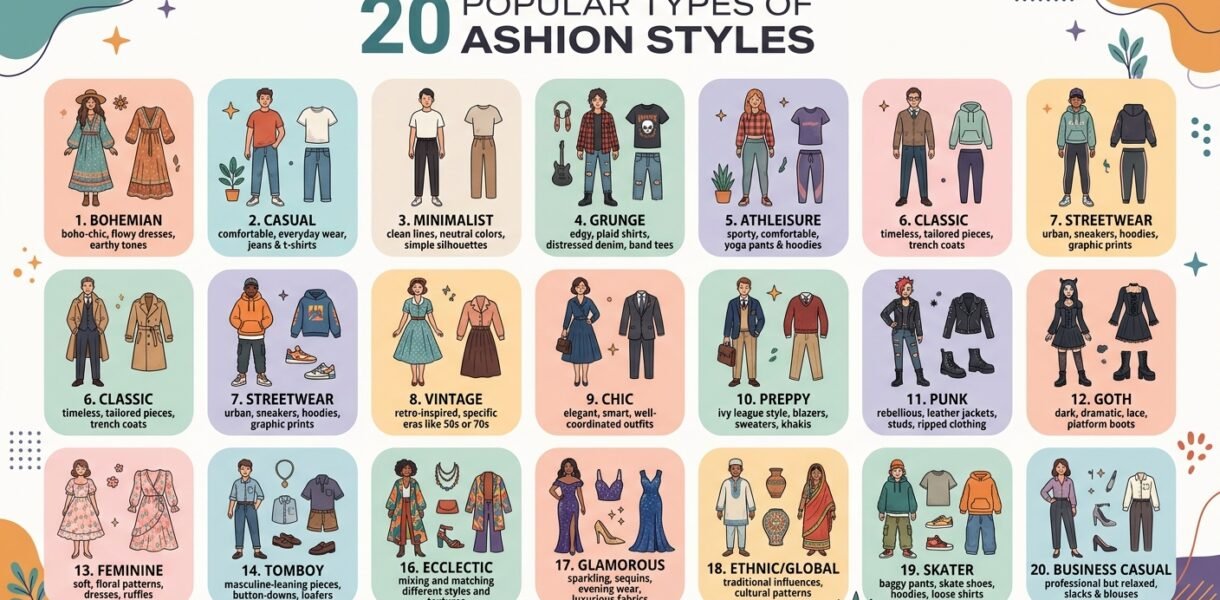
In this guide, we explore 20 different fashion styles, their key characteristics, and how you can incorporate them into your everyday wardrobe.
What Are Different Fashion Styles?
Different fashion styles are recognizable ways of dressing that use particular clothing pieces, colors, patterns, silhouettes, accessories, and styling techniques.
Fashion styles can be influenced by culture, music, history, celebrities, designers, social media, lifestyle, and personal preferences. Some styles remain popular for decades, while others become popular because of current trends.
Your personal style does not have to belong to only one category. You can combine different aesthetics to create a look that feels unique to you.
1. Casual Fashion Style
Casual fashion is one of the easiest and most popular styles for everyday life. It focuses on comfort while still allowing you to look put together.
Common casual pieces include jeans, T-shirts, sweatshirts, casual shirts, sneakers, hoodies, and simple jackets.
A casual outfit can be upgraded with accessories such as sunglasses, a handbag, a watch, or simple jewelry. The goal is to create an effortless appearance without looking overly formal.
2. Classic Fashion Style
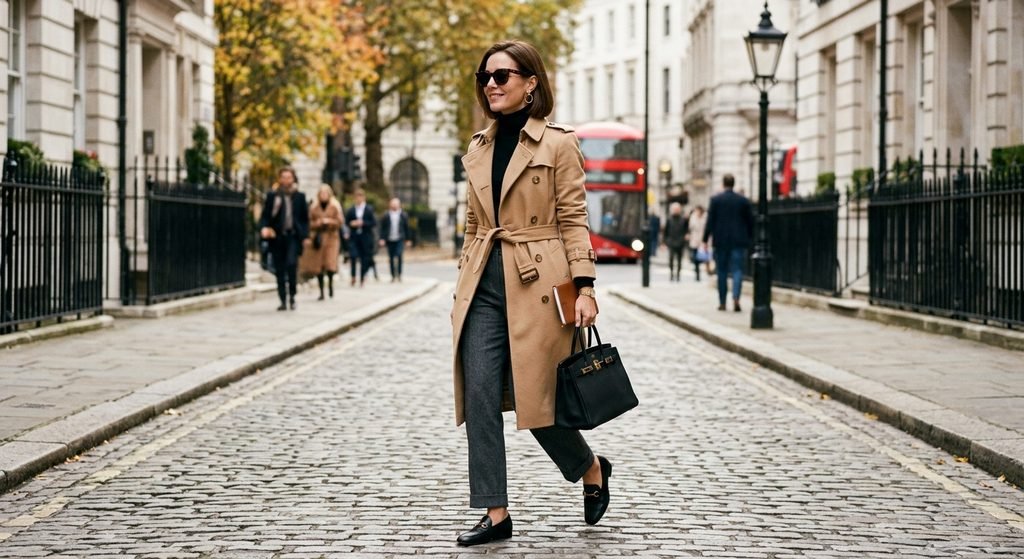
Classic fashion focuses on timeless clothing that does not depend heavily on short-term trends. It is ideal for people who prefer elegant and versatile wardrobes.
Classic pieces often include tailored blazers, white button-down shirts, straight-leg trousers, simple dresses, loafers, and structured handbags.
Neutral colors such as black, white, beige, navy, gray, and brown are often used in classic outfits.
3. Minimalist Fashion Style
Minimalist fashion is based on simplicity and clean design. Instead of having a large number of eye-catching pieces, minimalist wardrobes usually focus on versatile clothing.
Simple silhouettes, neutral colors, limited patterns, and understated accessories are common.
A minimalist outfit might consist of a white shirt, tailored trousers, simple shoes, and a structured handbag. The focus is on quality, fit, and balance rather than excessive decoration.
4. Streetwear Fashion Style
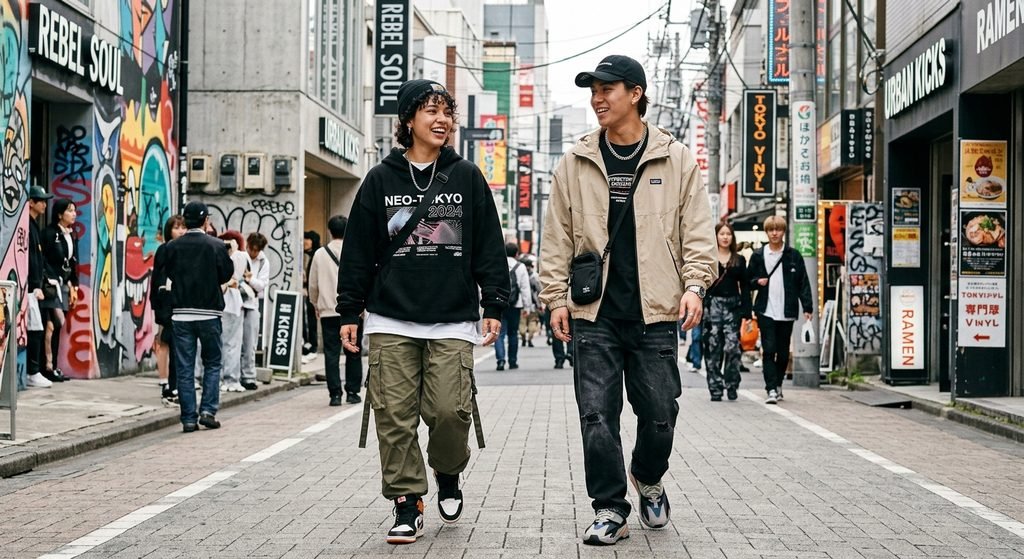
Streetwear is strongly influenced by urban culture, music, skateboarding, sneakers, and youth fashion.
Oversized T-shirts, hoodies, cargo trousers, graphic shirts, sneakers, baseball caps, and statement accessories are common streetwear pieces.
Modern streetwear can range from relaxed outfits to highly creative looks featuring bold colors, layering, and unusual proportions.
5. Bohemian Fashion Style
Bohemian fashion, commonly known as boho style, has a relaxed, artistic, and free-spirited appearance.
Flowing dresses, floral prints, crochet details, fringe, wide-leg trousers, natural fabrics, layered jewelry, and ankle boots are frequently associated with bohemian fashion.
Earthy colors such as brown, cream, olive, rust, and beige can help create a traditional boho aesthetic.
6. Vintage Fashion Style
Vintage fashion takes inspiration from previous decades. Instead of following only modern trends, vintage lovers often recreate the appearance of a particular historical period.
The 1950s, 1960s, 1970s, 1980s, and 1990s can all provide inspiration for vintage outfits.
Vintage dresses, retro sunglasses, classic denim, old-fashioned prints, leather handbags, and traditional silhouettes can be combined with modern pieces for a contemporary interpretation.
7. Preppy Fashion Style
Preppy fashion is known for its polished and academic-inspired appearance. It traditionally takes inspiration from collegiate and classic American clothing.
Common pieces include polo shirts, cardigans, button-down shirts, pleated skirts, tailored trousers, blazers, sweaters, and loafers.
Modern preppy fashion can be made more relaxed by combining traditional pieces with sneakers or contemporary accessories.
8. Romantic Fashion Style
Romantic fashion focuses on soft, delicate, and feminine details. Floral prints, lace, bows, ruffles, flowing fabrics, pastel colors, and elegant silhouettes are often associated with this aesthetic.
A romantic outfit could include a floral midi dress with delicate jewelry and simple heels.
You can also introduce romantic elements into casual outfits by choosing a lace-trimmed blouse, floral skirt, or soft pastel cardigan.
9. Sporty Fashion Style
Sporty fashion combines athletic-inspired clothing with everyday styling. It is a practical choice for people who prioritize comfort and movement.
Leggings, track pants, sweatshirts, sneakers, athletic jackets, baseball caps, and sporty tops are popular choices.
Sporty fashion often overlaps with athleisure, where clothing traditionally associated with exercise is styled as part of an everyday outfit.
10. Chic Fashion Style
Chic fashion is associated with polished, sophisticated, and effortless-looking outfits.
A chic wardrobe might include tailored trousers, simple blouses, structured handbags, elegant shoes, fitted jackets, and minimal jewelry.
The secret to chic fashion is often simplicity. You do not need numerous accessories or complicated layers to create a sophisticated appearance.
11. Grunge Fashion Style
Grunge fashion became particularly recognizable during the 1990s and was strongly connected with alternative music and youth culture.
Distressed denim, oversized shirts, plaid, band T-shirts, leather jackets, combat boots, and darker colors are common elements.
Modern grunge can be adapted by combining traditional pieces with contemporary basics.
12. Y2K Fashion Style
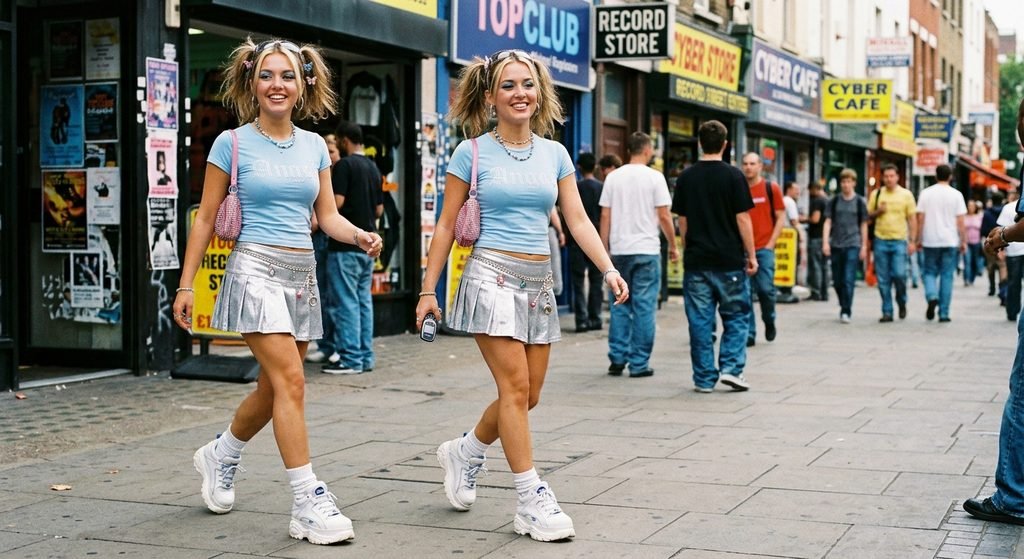
Y2K fashion takes inspiration from late-1990s and early-2000s trends. The aesthetic has experienced renewed popularity through social media and modern fashion culture.
Low-rise jeans, crop tops, mini skirts, colorful accessories, small handbags, denim pieces, and statement sunglasses are frequently associated with Y2K fashion.
Modern Y2K outfits often mix nostalgic pieces with current trends.
13. Old Money Fashion Style
Old money fashion is an aesthetic centered around timeless, refined, and understated clothing.
Instead of relying on large logos or highly dramatic trends, the style usually focuses on classic silhouettes, neutral colors, tailored pieces, and polished accessories.
Polo shirts, knit sweaters, tailored trousers, blazers, loafers, simple dresses, and structured handbags can all contribute to this aesthetic.
14. Edgy Fashion Style
Edgy fashion is ideal for people who enjoy making a stronger fashion statement. It can include leather, dark colors, metallic details, unusual silhouettes, bold footwear, and statement accessories.
An edgy outfit does not have to be completely dramatic. You can add a leather jacket or chunky boots to a simple outfit to create a more distinctive appearance.
15. Eclectic Fashion Style
Eclectic fashion combines elements from different styles, eras, and aesthetics.
Someone with an eclectic wardrobe might combine vintage clothing with modern streetwear, classic accessories with bold prints, or minimalist pieces with colorful statement items.
There are few strict rules in eclectic fashion. Personal creativity is the main focus.
16. Glamorous Fashion Style
Glamorous fashion focuses on creating an elegant and noticeable appearance. It is often associated with special occasions, parties, evening events, and red-carpet-inspired outfits.
Sequins, satin, velvet, statement jewelry, elegant dresses, heels, and polished handbags can all contribute to a glamorous look.
However, small glamorous details can also be introduced into everyday outfits.
17. Dark Academia Style
Dark academia is inspired by traditional academic clothing, literature, old libraries, and vintage university aesthetics.
Brown, black, charcoal, cream, and dark green are common colors. Blazers, trousers, knit sweaters, button-down shirts, loafers, coats, and pleated skirts can create this aesthetic.
Layering is often an important part of dark academia fashion.
18. Cottagecore Fashion Style
Cottagecore fashion takes inspiration from rural life, nature, traditional crafts, and romantic countryside aesthetics.
Flowing dresses, floral patterns, soft colors, puff sleeves, cardigans, skirts, and natural-looking accessories are commonly associated with the style.
Cottagecore outfits often create a relaxed and nostalgic appearance.
19. Coastal Fashion Style
Coastal fashion is inspired by seaside living and relaxed vacation dressing. White, cream, blue, beige, and soft neutral colors are commonly used.
Linen shirts, relaxed trousers, lightweight dresses, woven bags, sandals, and simple jewelry can create a coastal-inspired wardrobe.
This style works particularly well for summer and vacation outfits.
20. Modern Fashion Style
Modern fashion is not limited to one specific aesthetic. It often combines current trends with practical and timeless pieces.
A modern wardrobe might include oversized tailoring, contemporary sneakers, minimalist handbags, updated denim, statement accessories, and classic basics.
The advantage of modern style is its flexibility. You can take inspiration from several fashion aesthetics and adapt them to current trends.
How to Find Your Personal Fashion Style
Finding your personal fashion style can take time. Start by looking at the clothing you already own and identifying the pieces you enjoy wearing most.
Ask yourself:
- Which colors do I wear most often?
- Do I prefer fitted or oversized clothing?
- Do I like simple or detailed outfits?
- Which shoes do I feel most comfortable wearing?
- Do I prefer classic or trendy pieces?
- Which fashion images inspire me?
Your answers can help you identify patterns in your wardrobe.
Can You Mix Different Fashion Styles?
Yes, and mixing styles can be one of the best ways to create a unique appearance.
For example, you can combine classic and streetwear by wearing tailored trousers with sneakers and an oversized jacket. You can also mix bohemian fashion with minimalist clothing by pairing a printed skirt with a simple neutral top.
The goal is to create balance rather than follow every rule associated with one aesthetic.
Final Thoughts
There are many different fashion styles, from casual and classic to streetwear, vintage, bohemian, Y2K, old money, and eclectic fashion. Each style provides a different way to express personality and creativity.
The most important part of fashion is feeling comfortable and confident in what you wear. Explore different styles, experiment with new combinations, and create a wardrobe that reflects your personality rather than simply following every trend.
You do not have to choose just one. Your personal style can include elements from several aesthetics and can change as your lifestyle and preferences develop.